LIGHTING FOR LIVING: INTERVIEW WITH LEADING LIGHTING CONSULTANT NOHA MOHSEN
March, 2021
As you step inside the Zamalek space inhabited by Enlighten, your eyes are drawn to intimate niches and corners that tempt to you explore further. The wealth of subtle details, artwork, colors and textures stimulates your senses as you venture inside.
“But what about the lighting”, you might ask?
Yes, the light is present, as winter sunlight
gently bathing the spacious roof terrace with
its morning rays. It is also present in the striking
dark sculptural glass lamp that fascinates with its almost primordial design. But the lighting
is something felt, rather than seen, with
disparate elements used to accent the imposing
architectural details of the lofty-ceilinged
showroom cum workspace.
Noha Mohsen fits easily into this setting. Exuding
a relaxed, vivacious self-assurance and an
effortlessly understated chic, she is welcoming
and charismatic, truly in command of her
domain. As we chat, her knowledge and insights
come shining through.
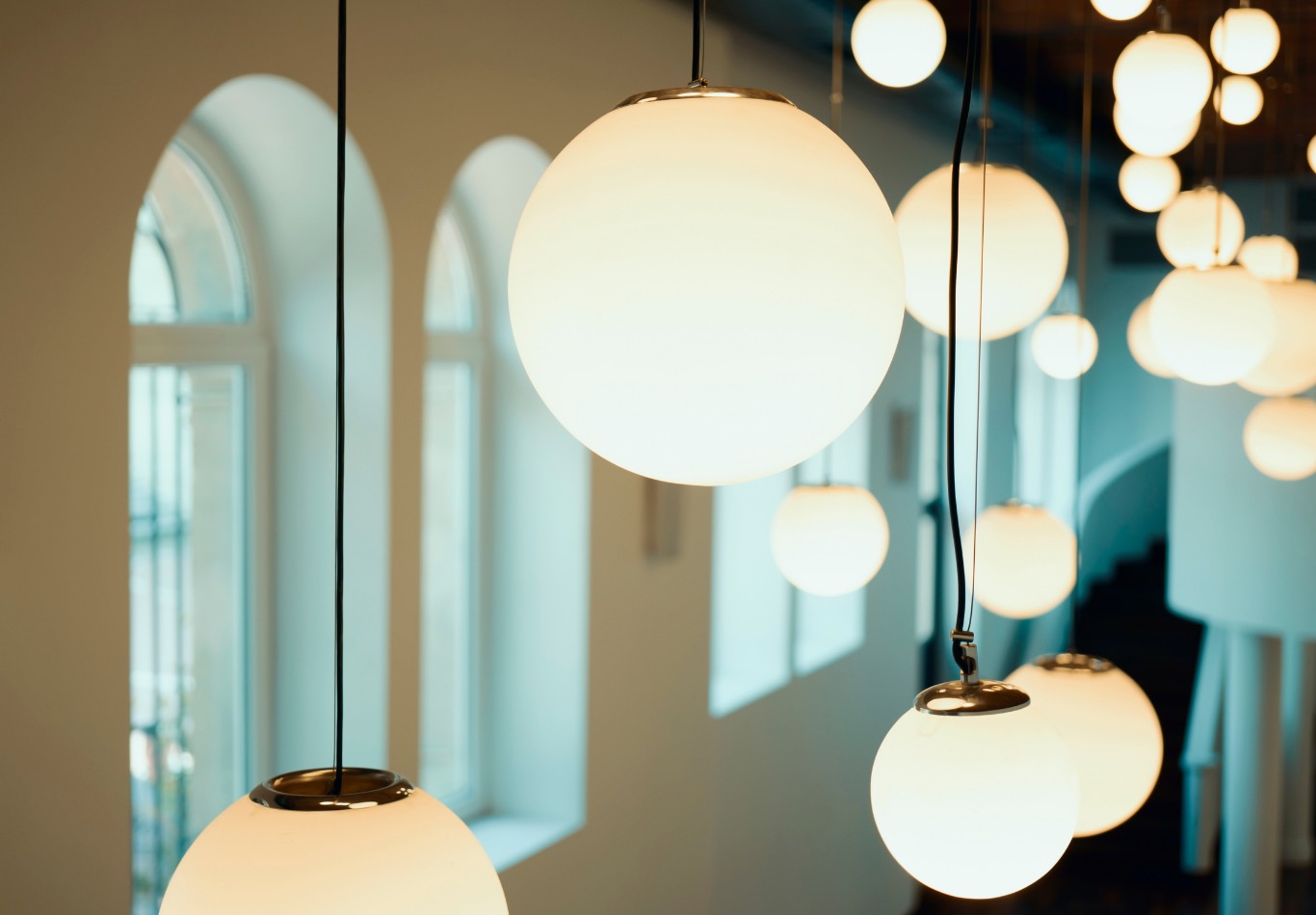
Noha, how would you define your approach when starting a project?
NM: At Enlighten we have come
up with what we call the “Enlighten
formula”, which is a mix between
architectural lighting and influential
lighting, which is commonly known as
decorative lighting. The architectural
lighting gives the space a soul. The
understanding of a space needing
a soul is something that people
hadn’t previously thought about.
The influential lighting embodies the
essence of the character of the space.
Our formula combines both, with
the ratio depending on a couple of
factors. It depends on the function and
designated purpose of the project, and
also on what the designer has done.
We avoid making the architectural
lighting the star. You have to apply
your creativity and experience to every
project. We are with our clients every
step of the way, throughout the design inception and any changes, until they
step into the finished project. This is
our ethos. Lighting does change the
way you live, and when you walk into
your home, business or office you
should feel that it was designed and
customized for you.
What you want to achieve is a space
that when a person walks in, they
should feel at ease and want to spend
more time in. Good lighting should
make an impression and evoke an
emotional response. If I have done my
job correctly, what catches your eye
should be the influential lighting rather
than the architectural lighting. You
should walk into a space and see the
painting and the beautiful flooring. By
using light you can make a low ceiling
appear higher, or appear the increase
the length of a room by drawing the
eye to a certain point; you can even
extend the impression of daylight
outside.
How has lighting evolved in recent years?
It has evolved in terms of the available options and the technicalities. Although at first the color wasn’t great, LED has now become the norm for lighting. The innovation of the product has changed the industry to the extent that whereas it was previously something handled by architects and interior designers, it has now become a field of its own. This is now becoming widely accepted. Ten years ago a client might have asked what you could do for them beyond simply placing a spotlight or two on the ceiling. I believe we have helped Egyptians change their perception of lighting; there has been a major evolution in people’s understanding of its importance.
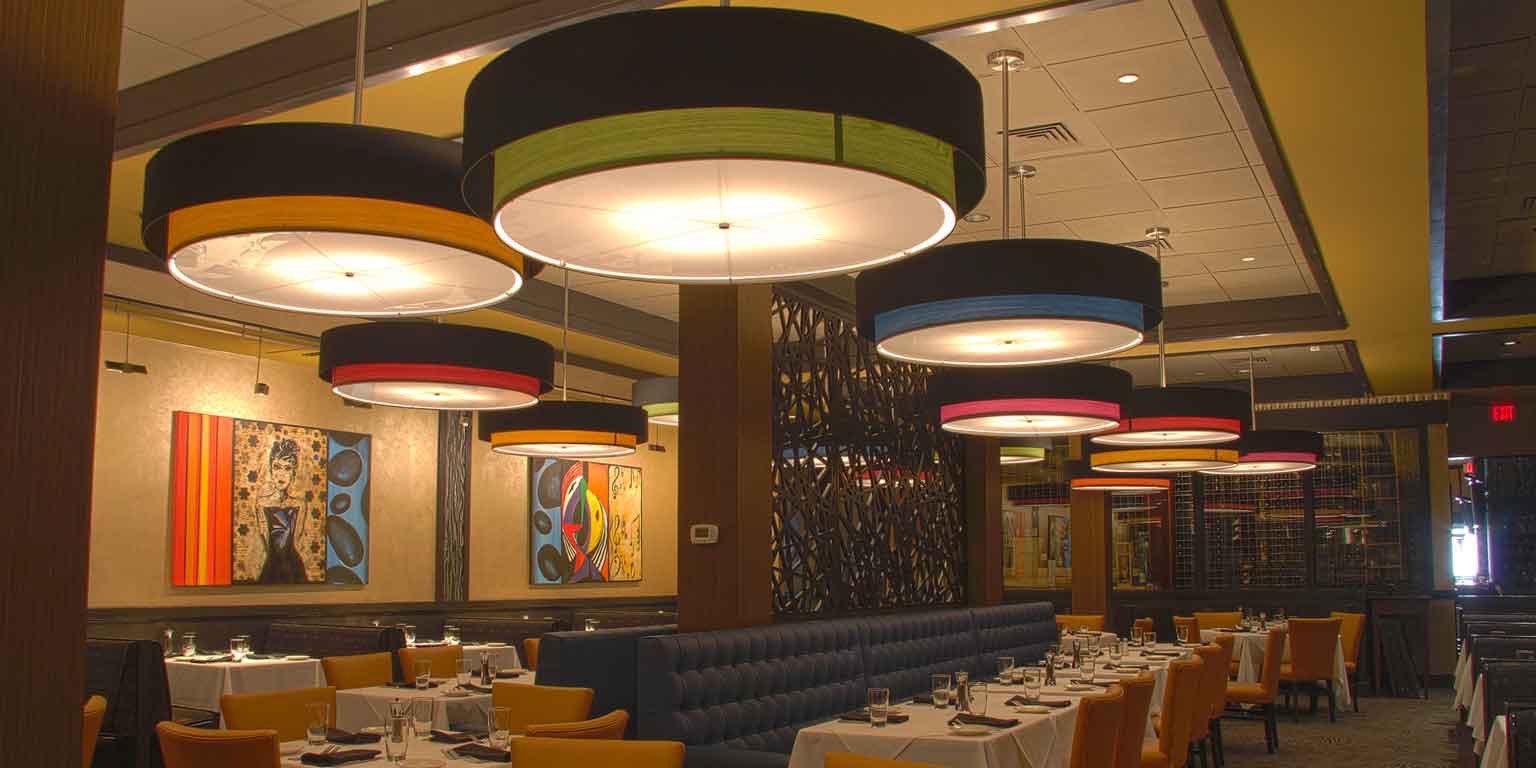
Has lighting become a priority in any build now?
In the past it was a factor left to the
end of a project. Money was put into
a decorative item, like a status symbol
chandelier, or two. Now it is realized
that lighting doesn’t just start from
the decorative element. There needs
to be a balance between architectural
lighting and decorative lighting. A big
part of my job is to create lighting that
showcases the structural and design
features created by the architect and
interior designer. But again, when you
have too much light in a space you
get a ‘flat’ feel, without the nuances of
light and shade. The placement and
type of lighting needs to be taken
into consideration very early in the
planning stage, even though you need
to be flexible as design plans change or
develop.
Of course, lighting needs vary
according to the designated use of
any space. Residential lighting differs
tremendously from the requirements
for commercial, corporate, retail and
entertainment spaces. In the past,
people were less interested in the
lighting for their offices. There has
been a huge change as the world
has become more concerned with
corporate image and corporate culture,
as well as a more scientific approach
to workplace lighting. Productivity
is directly impacted by the type,
placement and strength of lighting in
any office. It can be function related
according to each room, although
generally shared areas like corridors
should have uniform lighting. There
is a misconception that less interior
lighting is needed during the hours of
daylight. That is counter-intuitive, as in
reality, you actually need to increase
interior light source to match the level
of external light to balance it.
Residential lighting needs to have
a totally different approach, as you
must create spaces that serve multiple
and varied activities and states of
relaxation. Lighting also has to be
task related, whether you are reading
a menu in a restaurant, or in your
dressing room at home. You must feel
comfortable with the amount and
positioning of the light source.
Why is it so important to figure lighting into any design budget?
It is so integral to the overall outcome of a project, even though this may not be apparent until the end of the build. It doesn’t mean you are adding costs by having the services of a lighting professional. In the past people thought they could manage to do their own interior design, then they came to the realization that it was better to use an experienced interior designer. It is now the same with lighting. Actually, even architects and designers can overestimate the amount of lighting required, so a lighting consultant can use a budget more efficiently and to greater effect.
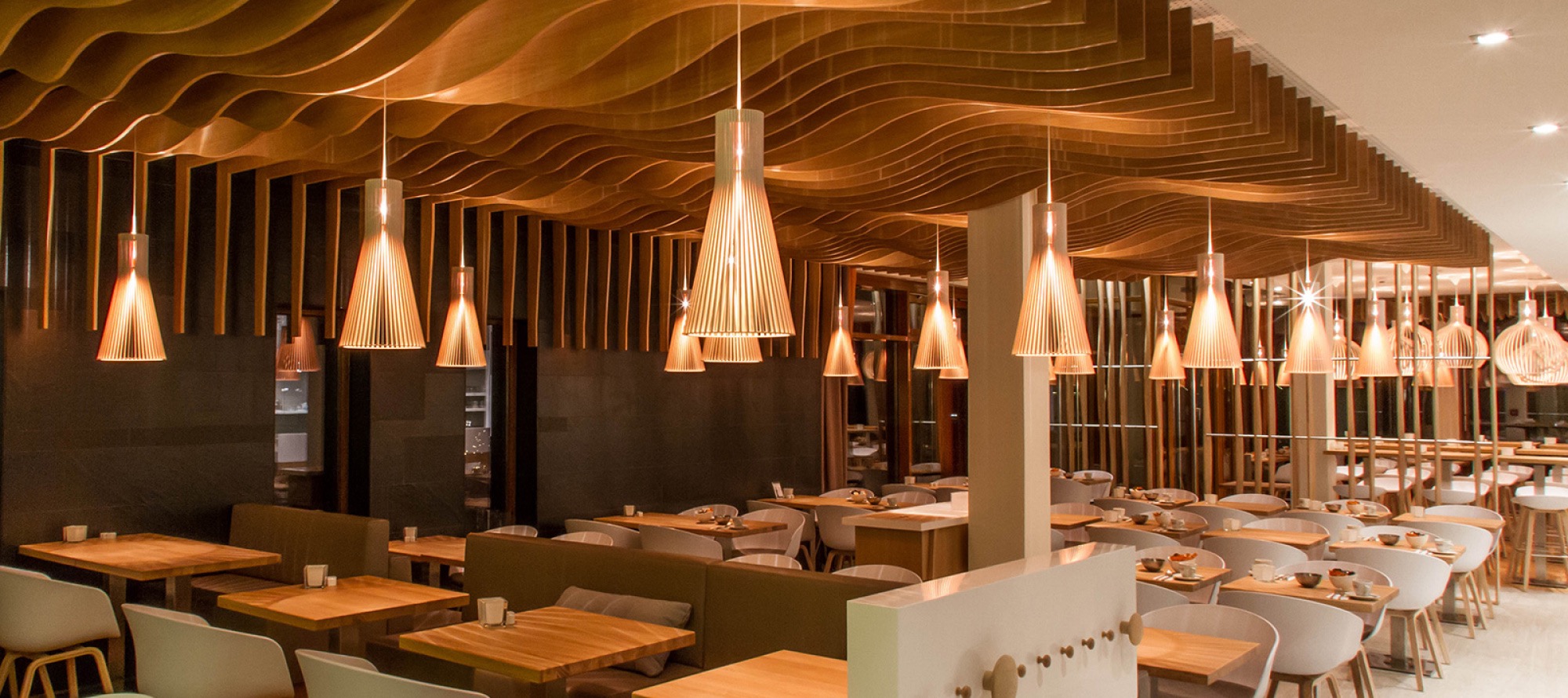
Is lighting influenced by passing trends?
I don’t follow trends from a design viewpoint a lot, because when you think about lighting, especially architectural lighting, this is not something you are going to change in a few years. You must, of course have an ‘eye’ and taste. Primarily, you must be able to express the client’s taste and the vision of the architect and interior designer, while applying the science of lighting throughout. With the experience of working with leading designers both in Egypt and for projects abroad I have developed a good understand and working rapport that allows us to coordinate to achieve the best result.
How can people improve their lighting choices?
There is a rule the noted lighting designer Mario Nanni
about the presence of light and the absence of the light
fitting. You should see light, but not the source. There
should be no glare, and rather than drawing attention to
the light fixture, you should be drawn to the effect, or the
item it is lighting. He says it is crucial to only use lighting
where necessary, not to over light, taking influential
elements into consideration as well.
You also should mix up the heights and sources of different
lighting features, and make sure they are well distributed.
This is a more modern approach than having a central
chandelier, or using several chandeliers, sconces and
table lamps. With cove lighting, you need to ensure that
light comes down into the space, and overall, you need to
minimize the types of fittings used.
Dimmers are extremely important, they allow you to meet
the changing needs of the day. As it darkens, a little goes
a long way. It is also interesting to note that studies have
shown that women tend to increase the level of lighting
when returning home at the end of the day, while men
prefer to settle down and relax in dimmer surroundings.
When purchasing lighting, people may be worried about
outlaying more for LED. They need to look at the long term
savings that come through lowered bulb replacement
requirements, and greatly reduced energy consumption.
On a more personal level, what do you love most about your work?
I love being creative with the creativity of the diversely talented architects and designers that I am privileged to work with. I love that I am being continuously challenged. And I love that we have created a new understanding of lighting design in Egypt.

Leading Lighting Consultant
